
In the digital landscape of 2026, video is no longer a discretionary creative experiment — it is the fundamental currency of customer trust, algorithmic reach, and paid conversion. Across Meta Advantage+, YouTube Shorts, Instagram Reels, and connected OTT platforms, algorithms aggressively prioritize high-velocity video assets over static graphics. Yet for startup founders, CMOs, and marketing directors, budgeting for video production remains one of the most opaque, frustrating exercises in modern business. Traditional production houses and boutique ad agencies routinely guard their rate cards like trade secrets, submitting vague lump-sum estimates ranging wildly from ₹3 Lakhs to ₹60 Lakhs for a single 60-second video without explaining where the money actually goes. At the same time, high-growth D2C and tech scale-ups face an urgent operational dilemma: should they hire an in-house video team and build an internal studio, or should they partner with a specialized UGC ad creation and video production agency? A mistake on this decision costs tens of lakhs in wasted salaries, depreciating equipment, or dead-end ad campaigns. At Spiralreach (Spiral Reach), our production and creative engineering team has directed cinematic brand films and managed high-converting UGC pipelines for scaling brands across India and global markets. In this definitive guide, we pull back the curtain: breaking down the exact line-item costs of producing a brand film in India for 2026, comparing the financial and strategic trade-offs of agency retainers versus internal video teams, and providing an actionable roadmap to maximize your creative return on investment.
1. The Two Halves of Modern Video: Cinematic Brand Moats vs. Performance UGC
Before allocating a single rupee to video production, leadership teams must clarify an essential distinction: What specific commercial purpose does this video serve?
Modern high-growth brands require two distinct video categories to scale sustainably, and confusing the two is the primary cause of budget failure:
Category 1 — The Anchor Brand Film (The Emotional Moat): This is your flagship cinematic asset. It lives on your website homepage, powers investor decks, anchors major funding or rebrand announcements, and runs as a YouTube Pre-Roll or connected TV commercial. Its goal is not immediate, transactional direct-response; its mission is category authority, brand positioning, and emotional resonance. A well-crafted brand film establishes pricing power and elevates your company above generic competitors for 12 to 24 months.
Category 2 — High-Velocity Performance UGC & Paid Ads (The Revenue Engine): These are raw, authentic, direct-response video assets built specifically for Meta, Instagram, and TikTok feeds. They feature real creator faces, unpolished smartphone b-roll, problem-solution hooks, unboxing reactions, and explicit calls to action. Their lifespan is short (14 to 45 days before creative fatigue sets in), requiring continuous weekly testing of new visual hooks and narrative angles to maintain low customer acquisition costs (CAC).
Attempting to run a ₹20 Lakh cinematic brand film as a bottom-of-funnel Meta retargeting ad usually yields mediocre click-through rates. Conversely, putting low-resolution smartphone UGC as your primary website hero destroys enterprise brand credibility. Successful brands balance both under an integrated creative roadmap.
The 80/20 Creative Capital Rule
Allocate 20% to 30% of your annual video production budget to an anchor cinematic Brand Film that builds durable category equity. Dedicate the remaining 70% to 80% to monthly UGC ad creation, rapid iterative testing, and creative variation sprints that actively drive CAC down.
- Cinematic Brand Films establish pricing power, investor credibility, and long-term brand equity
- Performance UGC video ads drive immediate direct-response conversions and lower customer acquisition costs
- Brand films have a 12-to-24-month lifespan; social UGC ads require weekly or bi-weekly iteration
- Confusing the commercial purpose of each format leads to wasted budgets and missed revenue targets
2. Cost of Producing a Brand Film in India in 2026: The 3 Tier Breakdown
When business leaders search for the 'cost of producing a brand film in India in 2026,' they encounter massive variance. Production pricing is determined by shoot days, camera packages, location permits, actor caliber, and visual effects complexity.
Here is an unvarnished, empirical breakdown of commercial brand film costs across the Indian production landscape for 2026:
Tier 1: Emerging Challenger / Founder Narrative Film (₹3,50,000 to ₹8,00,000 / ~$4,200 to $9,600): Designed for early-stage startups, D2C challengers, and boutique B2B firms. Typically a 1-day shoot focused on a high-impact founder narrative, authentic customer documentary style, or product craftsmanship showcase. Uses cinema-grade compact packages (Sony FX6 / FX9 or RED Komodo) with prime lenses, a lean 6-to-8 person crew, 1 to 2 verified locations or private studio space, professional sound engineering, and precision color grading in DaVinci Resolve.
Tier 2: Growth-Stage Scale-Up Commercial Brand Film (₹10,00,000 to ₹25,00,000 / ~$12,00,000 to $30,000): The gold standard for venture-backed startups scaling from Series A/B, established D2C brands, and mid-market enterprise leaders. A 2-day multi-location shoot featuring high-concept visual storytelling, professional actor casting (2 to 4 actors with digital usage rights), dedicated Art Director / Set Dressing, professional gaffer crew with heavy cinema lighting rigs, and flagship cinema camera systems (ARRI Alexa Mini LF or RED V-Raptor). Post-production includes custom sound design, licensed theatrical scoring, advanced colorist mastering, 3D motion graphics, and full multi-format aspect ratio deliverables (16:9 widescreen, 9:16 vertical, and 1:1 social cutdowns).
Tier 3: Enterprise & National TVC Campaign Film (₹35,00,000 to ₹1,20,00,000+ / ~$42,000 to $145,000+): Designed for market leaders, public corporations, and national brands targeting multi-city television broadcasts, OTT sponsorships (IPL, Hotstar, SonyLIV), and billboard takeovers. Involves multi-day shoots, bespoke studio set construction, union crew sizes exceeding 40+ technicians, celebrity or top-tier influencer endorsements, Phantom Flex 4K high-speed cinematography, and complex photorealistic CGI and visual effects.
- Tier 1 (Challenger / Startup): ₹3.5L–₹8L | 1-Day Shoot | Sony FX6/RED Komodo | Lean Crew | High ROI
- Tier 2 (Scale-Up Commercial): ₹10L–₹25L | 2-Day Shoot | ARRI Alexa Mini LF | Pro Cast & Art Direction | Multi-Format Deliverables
- Tier 3 (Enterprise National TVC): ₹35L–₹1.2Cr+ | Multi-Day Set Build | Celebrity Endorsement | Complex VFX & OTT Broadcast Rights
- Deliverables must include modular 15s and 30s cutdowns optimized for 9:16 mobile viewports
3. Line-Item Reality: Where the Money Actually Goes in a Brand Film Budget
To evaluate production proposals intelligently, founders must understand how a commercial film budget is structured. At Spiralreach, every quote is 100% itemized across three standard production phases:
Phase 1: Pre-Production (18% to 22% of Total Budget): This is where the film succeeds or fails before a single camera rolls. Includes Concept Development, Creative Treatment Writing, Scriptwriting & Storyboarding, Location Scouting & Recce, Actor Casting & Auditioning, Wardrobe Styling, and Production Scheduling. Skimping on pre-production results in costly chaos on set.
Phase 2: Principal Photography & Production (50% to 58% of Total Budget): The physical execution on set. Line items include: (1) Key Creative Talent (Director, Director of Photography, 1st Assistant Director); (2) Technical Crew (Gaffer, Focus Puller/1st AC, Sound Mixer, Grips); (3) Camera & Lighting Rentals (ARRI/RED body, anamorphic lenses, wireless Teradek transmission, C-stands, Aputure/Arri SkyPanels); (4) Location Fees & Filming Permits; (5) Actor Fees & Wardrobe; (6) Hair, Makeup & SFX; (7) Catering, Transport & Equipment Insurance.
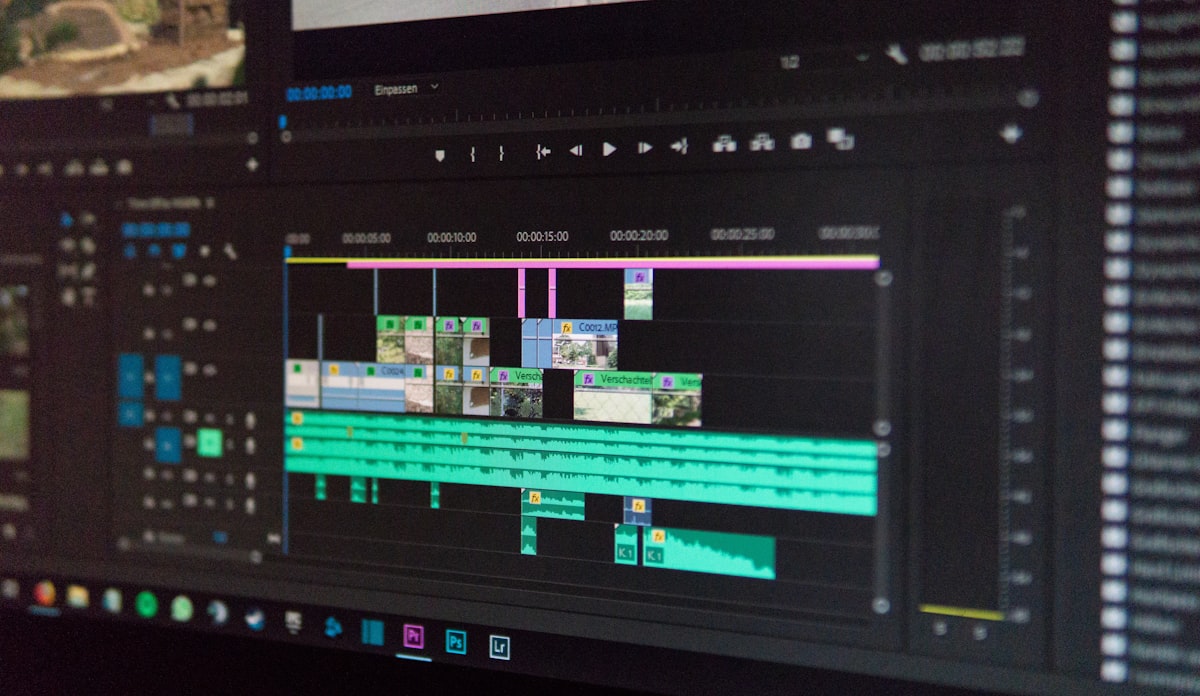
Phase 3: Post-Production & Mastering (22% to 28% of Total Budget): Turning raw footage into a polished masterpiece. Includes Editorial Offline Cutting, DaVinci Resolve Color Grading by a senior colorist, Professional Sound Design, Foley & Dialogue Cleanup, Commercial Music Licensing or Original Score Composition, Motion Graphics / Title Design, and Multi-Platform Video Mastering (4K ProRes, H.264 web delivery, social cutdowns).
- Pre-Production (20%): Concept, scriptwriting, storyboards, location recce, and actor casting
- Production (55%): Camera rentals (ARRI/RED), director, DOP, gaffer crew, permits, and art direction
- Post-Production (25%): Offline editing, DaVinci color grading, custom sound design, and commercial audio licensing
- Transparent agencies itemize every phase; red-flag production houses hide margins behind lump sums
4. The Operational Showdown: UGC Ad Creation Agency vs. In-House Video Team
While a brand film is an occasional milestone, paid social customer acquisition demands continuous, high-volume video production. High-growth D2C brands, mobile apps, and B2B tech platforms must test between 15 and 30 new video creatives every single month to prevent ad fatigue and keep CAC low.
This brings leadership to the critical decision: Should you build an in-house video production department or hire a specialized UGC and video performance agency? Let us examine the true math and operational reality of both models.
The True Cost of Building an In-House Video Team: Founders often mistakenly believe hiring an in-house videographer is cheaper than an agency retainer. But an effective in-house video engine requires multiple specialized roles:
- Full-Time Video Creative Strategist / Scriptwriter: ₹12,00,000 to ₹18,00,000 / year
- Dedicated Videographer / Director of Photography: ₹8,00,000 to ₹14,00,000 / year
- Full-Time Senior Video & Motion Graphics Editor: ₹7,00,000 to ₹12,00,000 / year
- Production Equipment CapEx (Cinema camera, lenses, lighting, microphones, high-spec M3/M4 editing workstations): ₹8,00,000 to ₹15,00,000 upfront + ongoing maintenance
- Studio Rent & Overhead: ₹5,00,000 to ₹10,00,000 / year
Total Year 1 In-House Financial Commitment: ₹40,00,000 to ₹69,00,000 ($48,000 to $82,000+). And beyond the financial burden, in-house teams suffer from severe structural bottlenecks: (1) The 'Same Face' Trap: Your audience quickly tires of seeing the same 2 in-house employees acting in every ad; (2) Creative Burnout: In-house teams become echo chambers, losing touch with platform-wide creative trends; and (3) Lack of Performance Sync: Most internal videographers have art-school backgrounds and lack direct-response knowledge of Hook Rate, Hold Rate, and ROAS attribution.
The Economics of a Specialized UGC Ad Creation Agency: Partnering with a dedicated agency like Spiralreach operates on a transparent, predictable monthly retainer (typically ₹1,50,000 to ₹3,50,000 / month):
- Instant Access to a Vast Creator Network: Access to 200+ vetted, on-camera UGC creators across diverse demographics, languages (Hindi, English, regional Indian languages), and lifestyle niches without employee overhead.
- High Testing Velocity: Receive 15 to 30 net-new ad concepts, hook variations, and visual b-roll swaps every month.
- Direct-Response Performance Synchronization: Ads are scripted by growth marketers who study real-time Meta Ads Manager telemetry — continuously optimizing the first 3 seconds (Hook Rate) to stop thumb-scrolling and maximize conversion rates.
- Zero Capital Expenditure: No camera gear to buy, no studio leases to sign, and zero long-term payroll liabilities.
- In-House Team Reality: Costs ₹40L to ₹69L+ in Year 1 across salaries, studio rent, and equipment CapEx
- The 'Same Face' Trap: In-house teams lack diverse creator talent, causing rapid audience ad fatigue
- UGC Agency Retainer: ₹1.5L–₹3.5L/month delivers 15–30 fresh creative variations with zero equipment liabilities
- Vetted Creator Network: Instant access to hundreds of demographic-matched creators and regional speakers
- Performance-Driven Scripting: Content designed around 3-second hook rates, hold rates, and direct-response CAC
5. Production Logistics: Navigating Hidden Fees, Permits, and Music Licensing
Unanticipated cost overruns are the bane of commercial film production. When negotiating with production vendors, demand clarity on these four commonly obscured line items:
1. Actor Buyout Terms and Usage Rights: An actor's daily shooting fee is separate from their usage rights. A standard contract might cover 1 year of digital social media usage in India. If you intend to run the ad on broadcast television, cinema screens, or in international markets (USA, UAE, UK), talent agencies will charge a 50% to 200% surcharge. Always define usage geography and duration during pre-production.
2. Municipal Permits and Location Permissions: Filming on public streets or historical landmarks in major Indian hubs (Delhi NCR, Mumbai, Bengaluru) requires police permissions and municipal authority clearances (BMC, NDMC). Commercial permits range from ₹40,000 to ₹2,50,000 per day. Professional production agencies handle liaison clearances seamlessly; uncertified indie shoots risk getting shut down mid-day.
3. Music Licensing vs. Original Score: Using a generic $30 royalty-free track from an audio library makes your brand film sound like a cheap YouTube tutorial. Commercial brand films require either bespoke original orchestration composed by a music director (typically ₹75,000 to ₹2,50,000) or rights-cleared commercial licensing. Never risk copyright strikes or takedown notices on paid ad accounts.
4. Revision Rounds and Overtime Clauses: Standard production contracts include 2 rounds of creative revisions in post-production. Ensure your agreement defines the cost per additional revision round (typically ₹25,000 to ₹50,000) and stipulates shoot-day overtime rates for union crew members.
The Usage Rights Trap
Never assume a video production quote includes perpetual, worldwide broadcast rights. Always require your production partner to explicitly specify: 'Unlimited digital ad usage across all platforms worldwide for a minimum of 24 months.'
- Define talent buyout terms upfront: Specify digital vs. broadcast TV rights and geographic territory
- Account for municipal filming permissions (NDMC, BMC) when shooting in public outdoor locations
- Invest in original musical composition or premium licensed stems rather than generic stock tracks
- Establish clear revision caps and transparent overtime rates before signing production agreements
6. The Production Workflow: How Spiralreach Directs Brand Films and UGC Engines
At Spiralreach (Spiral Reach), we run a streamlined, agile production framework that eliminates traditional agency bloat while maintaining uncompromising cinematic fidelity.
Here is the exact step-by-step roadmap our clients experience:
Execution Flow & Tactical Architecture
Discovery & Narrative Scripting
We analyze your brand positioning, customer psychology, and competitive landscape to craft scripts, visual treatments, and shot lists.
Casting & Production Logistics
Audition professional actors or match vetted UGC creators, secure shoot locations, and assemble high-end ARRI/RED camera packages.
Principal Photography
Directed with surgical precision, capturing high-concept hero footage, multiple hook variations, and lifestyle product b-roll.
Post-Production & Ad Integration
Offline editing, DaVinci Resolve color grading, custom sound design, and immediate deployment into paid Meta/Google ad accounts.
- Phase 1: Deep positioning research, narrative scripting, and cinematic mood-board alignment
- Phase 2: Actor casting, creator vetting, location recce, and equipment package assembly
- Phase 3: Efficient 1-day or 2-day shoots capturing primary narrative and modular ad hooks
- Phase 4: High-end color grading, sound mastering, vertical format optimization, and rapid ad rollout
7. The Strategic Verdict: How to Budget Your 2026 Video Roadmap
To translate this guide into immediate operational strategy, evaluate your current growth stage and allocate your video budget accordingly:
Scenario A: Early-Stage Brand ($10k to $30k Monthly Revenue): Do not spend ₹20 Lakhs on a cinema-grade brand film. Allocate ₹1.5 Lakhs to ₹2.5 Lakhs per month to a specialized UGC ad agency to generate 15+ fresh direct-response ads. Prove customer acquisition economics first.
Scenario B: Scaling Challenger ($30k to $150k Monthly Revenue): Commission a Tier 1 or Tier 2 Brand Film (₹6 Lakhs to ₹15 Lakhs) to establish category authority on your homepage and YouTube, while maintaining a recurring UGC retainer to feed your Meta Advantage+ campaigns.
Scenario C: Established Enterprise ($150k+ Monthly Revenue): Build an integrated creative flywheel: launch seasonal high-concept brand films (Tier 2/3) supported by an ongoing hybrid UGC and AI-powered video iteration engine that tests 40+ creative variations every month.
At Spiralreach, our video production and creative performance division bridges the gap between high-art cinematic direction and hard-nosed direct-response advertising. We don't just shoot beautiful footage — we engineer visual assets that captivate audiences, elevate brand equity, and generate measurable top-line revenue.
If your brand is ready to produce a flagship brand film or scale an unstoppable UGC ad creative machine, explore our specialized Brand Film & Video Production Services, discover our Video Editing & Content Production Services, and learn how our AI Video Marketing Solutions slash creative testing costs. Schedule a creative consultation and production budget audit with our directors today.
- Early-Stage (<$30k MRR): Prioritize agile UGC ad testing to nail direct-response CAC unit economics
- Scale-Up ($30k–$150k MRR): Invest in a Tier 1/2 flagship Brand Film paired with monthly UGC creative sprints
- Enterprise ($150k+ MRR): Deploy full-scale commercial campaigns supported by rapid AI and video editing pipelines
- Schedule a Video Production Budget & Creative Audit with Spiralreach's production directors today
Key Takeaways
- Video is the 2026 growth currency: Social and search algorithms heavily favor high-velocity video over static creatives.
- Know your 2026 Indian brand film costs: Tier 1 challenger films cost ₹3.5L–₹8L; Tier 2 commercial films cost ₹10L–₹25L; Tier 3 TVCs exceed ₹35L.
- Understand line items: Pre-production represents ~20%, production on set takes ~55%, and post-production accounts for ~25% of budgets.
- In-house video teams carry massive overhead: Expect ₹40L–₹69L+ in Year 1 across salaries, studio rent, and equipment CapEx.
- Beware the 'Same Face' in-house trap: Internal video teams lead to creative exhaustion; UGC agencies offer instant access to 200+ creators.
- UGC agencies deliver higher testing velocity: A ₹1.5L–₹3.5L/month retainer produces 15–30 fresh ad variations aligned with performance data.
- Protect your usage rights: Ensure actor contracts and music licenses grant unlimited digital ad usage across all target geographies.
- Apply the 80/20 rule: Invest 20%–30% in an anchor brand film for equity and 70%–80% in performance UGC to drive daily sales.